
A Vampire's Redemption
Generosity and the Art of Radical Hospitality

Welcome to the third installment of our deep dive into Monsterpiece Mashup, a puzzle that poses a profound question:
What if monster myths aren’t just cautionary tales, but also untold redemption stories for us to emulate?

What if we could take their “poisonous afflictions”—a representation of our own misaligned and voracious hunger for belonging, intimacy, recognition, or justice—and find the cure within them?


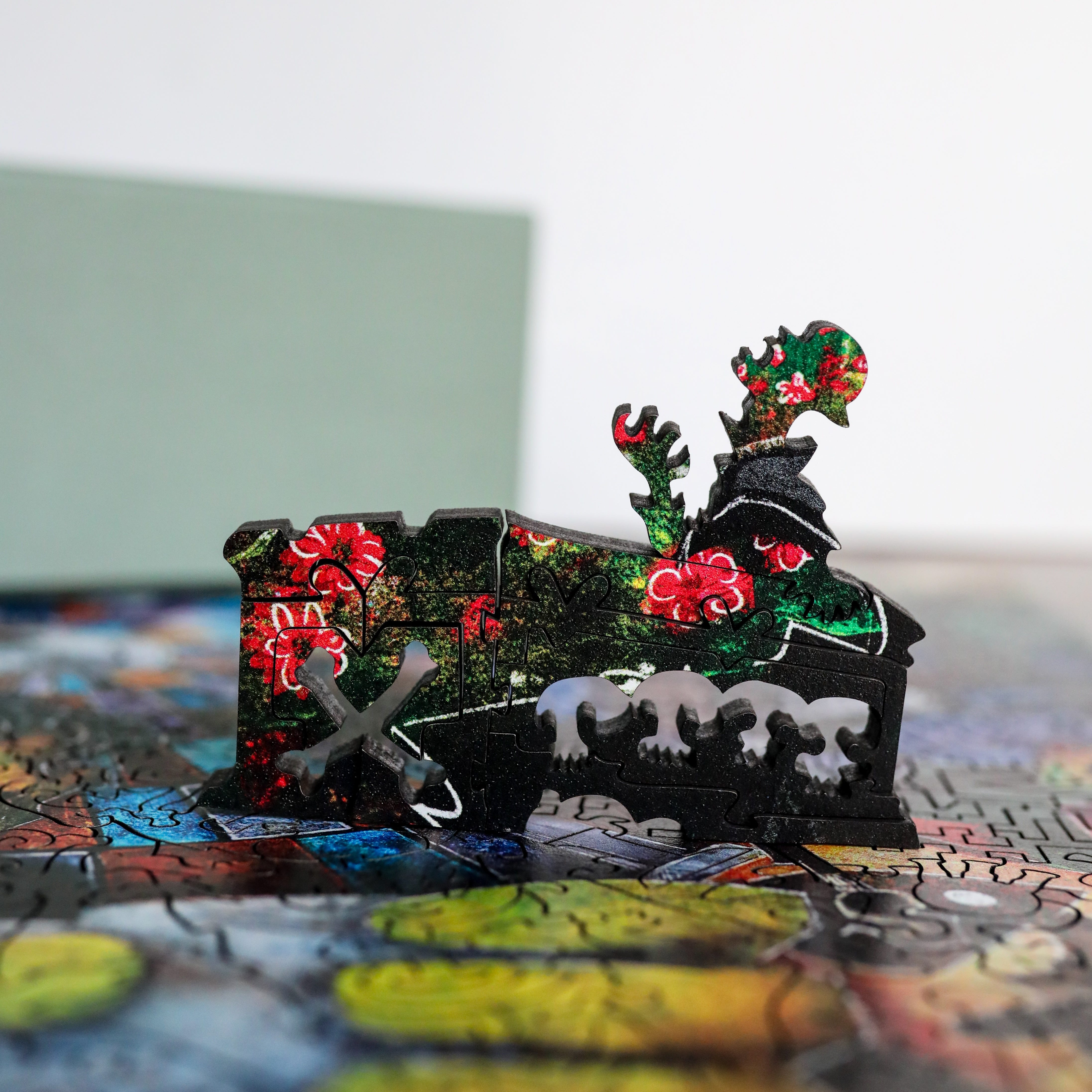
The vampire is a creature of legend, defined by its eternal, parasitic existence. It sustains itself by taking the life force of others, offering little to nothing in return. It cannot see its own reflection, a powerful metaphor for its profound lack of self-awareness. The vampire myth also warns against the dangers of inviting a toxic, one-sided presence into our lives—one that will take everything and give nothing back.
In the first post in this series, we examined how the story of Frankenstein’s Monster was a tragic search for acceptance. We learned that even in the face of rejection, the human spirit’s drive to connect can guide us to a better outcome and place of belonging. Now we turn to the vampire, a classic figure whose insatiable thirst for life offers a powerful lesson on meaningful intimacy.
The vampire narrative is famously depicted in classics like Nosferatu and Bram Stoker’s Dracula. Both are terrifying stories about parasitic narcissism. The vampire’s “poisonous affliction” is an insatiable, devouring lust for eternal life without responsible reciprocity. Like a reflection that cannot be seen in a mirror, the vampire’s massive blind spot to its own destructive behaviour goes unchecked, leading to a corrupted existence. The powerful metaphor of the vampire needing an invitation to enter your home warns us of the danger of inviting one-sided, non-reciprocal relationships into our lives. But in the poison, we can find the cure.
Our reimagined vampire finds that true self-nourishment comes not from a bitter life-draining act of consumption, but instead from generosity and what might be considered unreasonable1, perhaps even radical hospitality2. Hospitality in this context is the practice of consciously generating loving attention and presence for others without keeping track of the debt of service. This reformed vampire discovers that he can generate beauty in relationships rather than sucking the life out of them. This myth thus reveals the profound truth that meaningful intimacy is not taken—it is given.
This inversion requires a fundamental shift away from the vampire’s core belief: that love and intimacy cannot be generated and must therefore be taken with coercion. The vampire must learn to shift away from a scarcity mindset3 to an abundance mindset. Adopting the abundance mindset means offering resources, time, and genuine interest not as a means to gain something (the parasitic approach), but as an act of genuine love. It’s in this generous, outward flow that this character finds their true, eternal self-nourishment, proving that the cure for vampiric thirst is to embrace the fullness of life by sharing it with others.
Instead of lurking in the darkness, the reformed vampire generously invites guests to his castle gardens in broad daylight, not with a demand, but instead with an offering of roses, symbolizing his transformation into a steward of relationships.
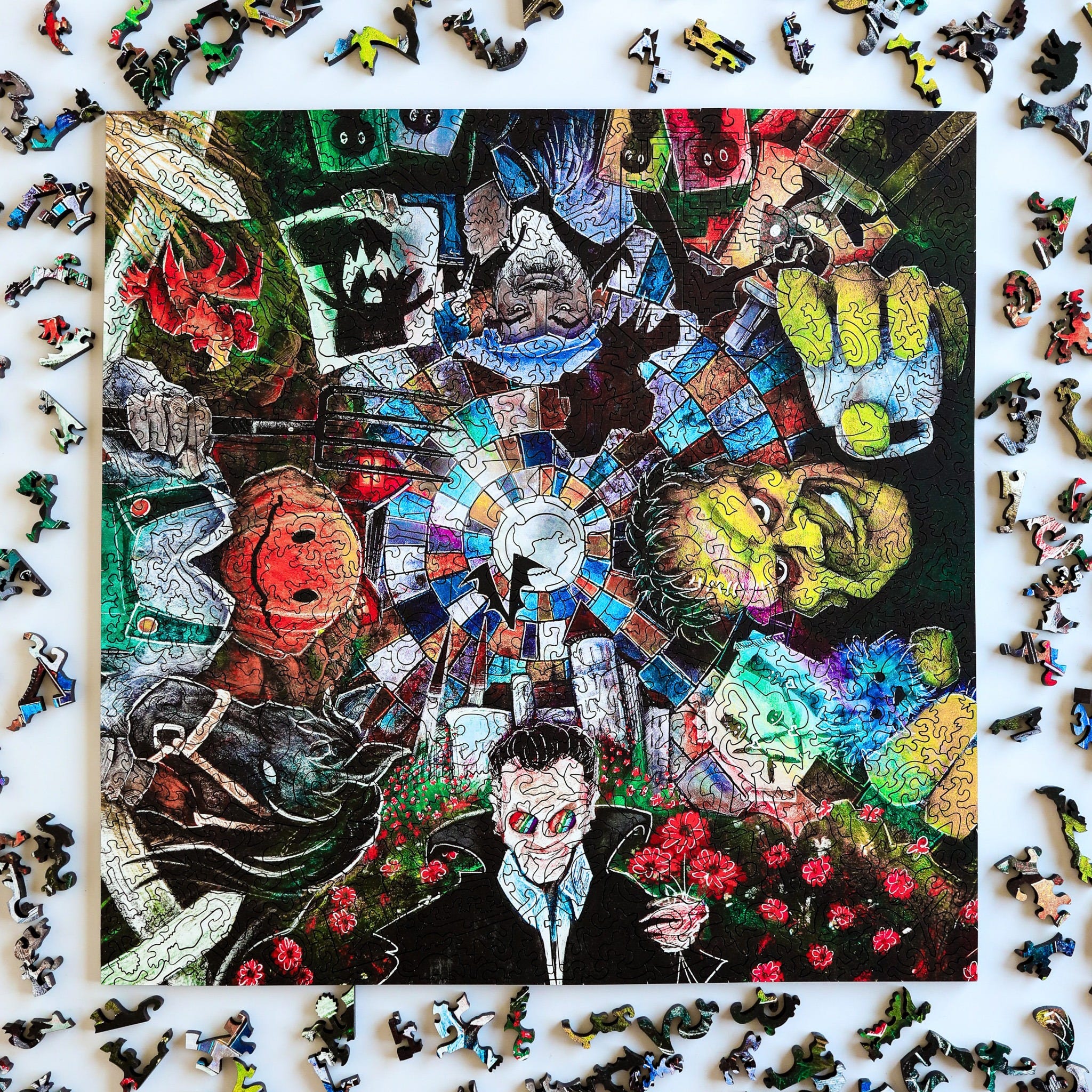
This story of transformation is built into the very fabric of the puzzle. You will find whimsical puzzle pieces of bats and rats, but also a mirror to represent self-reflection and beautiful red roses in full bloom (thorns intact). As with any puzzle, solving it can be approached as a collaborative act, a process that gives back to you and those you share it with. It’s an embodied artifact of Generosity, a testament to the idea that by giving more than you take, you build something that is whole and beautiful.
In the next post, I’ll delve into the legend of the Headless Horseman and explore how to find wholeness by harnessing passions for life.
Will Guidera, Unreasonable Hospitality
Daniel Homan, Lonni Collins Pratt, Radical Hospitality
Michael Easter, Scarcity Brain